How Can Seasonal Allergy Shots Improve Your Health in Palmetto Bay, FL?
At Piniella Asthma + Allergy, Dr. Carlos J. Piniella provides personalized seasonal allergy shots tailored to each patient’s unique sensitivities. The process begins with comprehensive allergy testing to identify triggers such as pollen, mold, or pet dander. Patients then receive carefully scheduled injections that gradually increase exposure to these allergens, helping the immune system build tolerance over time. This approach can reduce sneezing, congestion, itchy eyes, and asthma flare-ups, providing long-term relief and improving overall quality of life. The clinic emphasizes safety and ongoing monitoring to ensure effective, patient-centered care throughout the treatment plan. Contact us for more information or book an appointment online. We are conveniently located at 9275 SW 152 Street, Suite 210 Palmetto Bay Village, FL 33157.
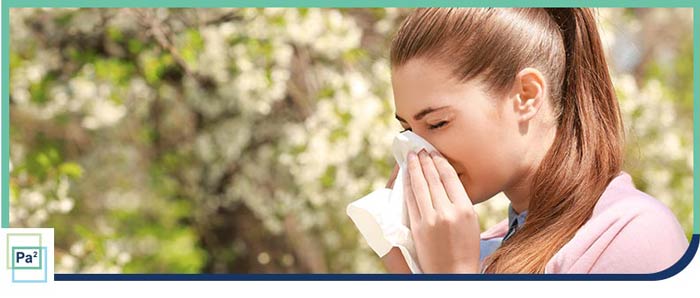

Table of Contents:
In which months is allergy season?
Do I have a cold or allergies?
How long do seasonal allergies last?
Do you provide seasonal allergy shots at Piniella Asthma + Allergy?
Allergies are something that affect everyone. Whether you exhibit symptoms or someone you love does, allergies affect everyone in one way or another. From sneezing and itching to the food and material that we come into contact with, allergies present themselves in various different ways. The seasons have a significant effect on allergies, as well, from pollen in the spring to dry wind in the summer, weather often aggravates particulates that then exacerbate symptoms. Thankfully, there are many treatments and preventative measures to alleviate symptoms and potentially rid them completely.
Allergy season is usually most severe in the spring, around the first week of May. That’s because seasonal allergies — called allergic rhinitis or hay fever — commonly occur due to pollen from trees and grass, which are most prevalent in the spring and early summer.
Winter and Early Spring:
For areas that rarely if ever see a frost, the start of the year is the start of the allergy season. As soon as days start to lengthen a bit, grass begins to grow and releases pollen to spread. By February, the grass is flowering in the Deep South and parts of the Carolinas across the Texas and New Mexico valleys and into central California, with tree pollens joining the pollen party as well.
The grass pollen season expands by February and March, with trees likely to cause allergic reactions by early April. Before Easter, residents can expect to see that familiar yellow powder pollen coating everything.
Late Spring and Early Summer:
The season for tree pollen starts to come to an end across the extreme southern tier by the end of April and May, but it is just getting started further north. Tree pollen is the primary allergen across the northern Plains, Great Lakes and New England during the month of May. Grasses are typically just starting to create pollen during this time in the north, so residents may be able to catch a break. By Memorial Day, expect to see pollen flying in the air and have a tissue on hand for those sneezes.
The hot summer days heat up the grasses, making the pollen more dormant, or sending it into a survival-type of sleep. However, the dormant grasses can allow the wind to kick up dirt and fields, leading to a peak in the dust season.
Late Summer and Fall:
A fresh allergen, ragweed, is starting to make its way across the U.S. by the middle of summer. According to the Centers for Disease Control, ragweed, which is actually a flowering plant found near river banks, is the leading cause of allergies, with three-fourths of all sufferers allergic to it.
Ragweed and pollen season come to an end when the first frosts of fall start to occure. As nighttime temperatures drop into the 20s, the ragweed plant is unable to survive the chilly conditions.
Cold symptoms generally last 7 to 10 days, whereas allergy symptoms can last longer if continually exposed to the allergen. Once the allergen is eliminated, allergy symptoms will start to subside.
If the pollen count is high, keep the windows and doors closed to protect your indoor air. You can also install a HEPA filter on your air-conditioning system and a flat or panel filter on your furnace. When you leave your home and return, you bring tiny allergens from the outside world with you. After being outside, your clothes and skin are covered with particles from everywhere you visited throughout the day. Get rid of allergens by taking a shower and changing your clothes.
Piniella Asthma + Allergy in Palmetto Bay, FL offers seasonal allergy shots as part of their comprehensive allergy care services. These shots, also known as allergy immunotherapy, are designed to help patients gradually build tolerance to allergens such as pollen, mold, dust, and pet dander. By receiving carefully scheduled injections over time, patients can reduce the frequency and severity of allergy symptoms, improving overall comfort and quality of life during peak allergy seasons. The clinic’s team evaluates each patient’s specific sensitivities through testing to create a personalized treatment plan that targets the most relevant allergens.
The process is closely monitored by board-certified allergists, ensuring safety and effectiveness throughout the course of treatment. Patients typically experience noticeable improvement in symptoms such as sneezing, congestion, itchy eyes, and asthma flare-ups. Piniella Asthma + Allergy emphasizes a patient-centered approach, guiding what to expect during each visit, potential side effects, and strategies for long-term symptom management. Families and individuals seeking relief from seasonal allergies can rely on this clinic for expert, compassionate care tailored to their needs.
Contact us for more information or book an appointment online. We are conveniently located at 9275 SW 152 Street, Suite 210 Palmetto Bay Village, FL 33157. We serve patients from Palmetto Bay FL, South Miami Heights FL, Cutler Bay FL, Three Lakes FL 33186, The Hammocks FL, Pinecrest FL 33156, and Kendall FL.

Additional Services You May Need
▸ Asthma
▸ Allergy Testing
▸ Food Allergies
▸ Immunotherapy
▸ Patch Testing
▸ Allergy Treatment
▸ Pediatric Asthma Specialist
▸ Pediatric Allergist
▸ Insect Bite Allergy
▸ Drug Allergy
▸ Seasonal Allergies
▸ Skin Allergy

Additional Services You May Need
▸ Asthma
▸ Allergy Testing
▸ Food Allergies
▸ Immunotherapy
▸ Patch Testing
▸ Allergy Treatment
▸ Pediatric Asthma Specialist
▸ Pediatric Allergist
▸ Insect Bite Allergy
▸ Drug Allergy
▸ Seasonal Allergies
▸ Skin Allergy