What Causes Itchy Skin and Allergy Rashes?
Itchy skin and allergy rashes may develop when the immune system reacts to foods, medications, skincare products, insect bites, or environmental allergens. These reactions can cause redness, swelling, dryness, raised bumps, hives, or persistent itching. Conditions such as eczema, contact dermatitis, and allergic inflammation may also contribute to recurring skin discomfort. Board-Certified Dr. Carlos Piniella, MD, at Piniella Asthma + Allergy in Palmetto Bay, FL, can help identify possible triggers and recommend personalized care. For more information, contact us or schedule an appointment online. We are conveniently located at 9275 SW 152 Street, Suite 210 Palmetto Bay Village, FL 33157.
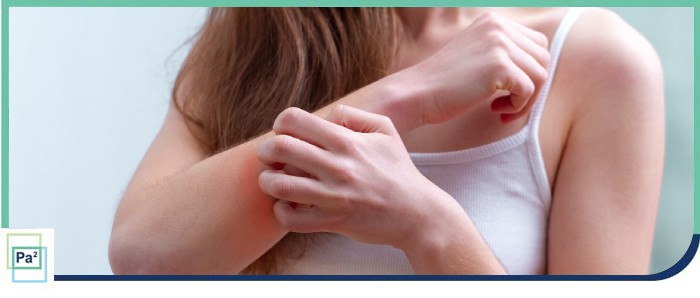

Table of Contents:
What causes itchy skin during an allergic reaction?
How can I tell if allergies cause my skin rash?
What types of allergies can trigger skin rashes?
Can seasonal allergies cause itchy skin?
Find Relief Through Skin Allergy Care with Board-Certified Dr. Carlos Piniella, MD, at Piniella Asthma + Allergy in Palmetto Bay, FL
Itchy skin and allergy rashes can occur when the immune system reacts to a substance it identifies as harmful, even when that substance is usually harmless. The reaction may appear as redness, raised welts, dry patches, swelling, bumps, scaling, or persistent itching. However, not every rash is caused by an allergy. Heat, infections, irritation, dry skin, and other health conditions can create similar symptoms. At Piniella Asthma + Allergy in Palmetto Bay, FL, Dr. Carlos Piniella, MD, takes a personalized approach to evaluating the pattern, timing, location, and possible triggers behind each patient’s skin concerns.
During an allergic reaction, the immune system releases inflammatory chemicals, including histamine, after exposure to a trigger. These chemicals can affect the nerves and blood vessels in the skin, leading to itching, redness, swelling, or hives. Hives typically appear as raised, itchy welts that may change in size, fade, and reappear in different areas. Some reactions develop within minutes, while allergic contact dermatitis may take a day or longer to become noticeable.
Possible triggers include foods, medications, insect stings, latex, metals, fragrances, preservatives, cosmetics, plants, and ingredients in soaps or personal-care products. Direct skin contact is not always required because food or medication allergies may also cause widespread skin symptoms. The intensity of the itching does not necessarily indicate how serious a reaction may be.
Dr. Piniella evaluates more than the visible rash. He may ask when the itching began, whether the rash moves or remains in one location, which products touched the skin, what the patient recently ate, and whether any medications or supplements have changed. This detailed evaluation can help distinguish a possible allergic response from irritation, dry skin, eczema, or another condition.
A rash may be related to allergies when it repeatedly appears after exposure to a particular food, product, material, medication, plant, or environmental trigger. Hives that develop suddenly, itchy swelling, or a rash limited to an area exposed to jewelry, cosmetics, adhesives, gloves, or fragrances may provide important clues.
Allergic contact dermatitis commonly causes red, bumpy, scaly, swollen, or blistered skin where an allergen touches the body. By comparison, irritant contact dermatitis can affect almost anyone after repeated exposure to harsh soaps, detergents, solvents, or other substances that damage the skin barrier.
Timing is important, but it can also make the cause difficult to recognize. Immediate allergic reactions may begin within minutes, while delayed contact reactions may not appear until 24 to 48 hours after exposure. Patients may overlook the responsible product because they used it the previous day. Keeping notes about meals, medications, skincare products, workplace exposures, outdoor activities, and symptom timing can help reveal a pattern.
An evaluation at Piniella Asthma + Allergy may include a review of photographs, previous reactions, family history, and symptoms occurring alongside the rash. Depending on the suspected cause, Dr. Piniella may recommend allergy testing or patch testing. Patch testing can help identify substances responsible for delayed contact reactions by observing how the skin responds to selected allergens.
Several allergic conditions can affect the skin. Food allergies may cause hives, itching, facial swelling, raised patches, or a more widespread reaction. Medication allergies may also produce hives or rashes, although not every skin eruption that develops while taking medicine represents a true allergy. Careful evaluation is important before deciding that a medication must be avoided.
Insect sting allergies can cause swelling around the sting site or symptoms affecting multiple areas of the body. Latex allergy may cause itching, redness, or hives and can sometimes occur with sneezing, wheezing, or other respiratory symptoms.
Contact allergies develop when the skin reacts to substances such as nickel, fragrances, preservatives, hair dyes, rubber chemicals, topical products, or plant oils. The rash may follow the shape or location of the exposure. Allergens transferred by the hands can also affect the face, eyelids, neck, or other sensitive areas. Common examples include reactions to jewelry, cosmetics, perfumes, nail products, shampoos, and latex.
Atopic dermatitis, commonly called eczema, is not always caused by one specific allergy. However, allergic tendencies and environmental exposures may contribute to flare-ups in some people. Eczema frequently causes dry, inflamed, intensely itchy, or scaly skin. Because eczema, hives, and contact dermatitis can look different among patients, Dr. Piniella considers the rash’s appearance, duration, recurrence, exposures, and related symptoms before recommending personalized care.
Seasonal allergies primarily affect the nose and eyes, causing symptoms such as sneezing, congestion, drainage, and watery or itchy eyes. However, exposure to pollen and mold may also aggravate the skin in certain people, particularly those with eczema, atopic tendencies, or sensitive skin.
Symptoms may become more noticeable after outdoor activities, gardening, lawn mowing, or contact with pollen that settles on clothing, hair, bedding, and pets. A patient may notice itching or eczema flare-ups during high-pollen months, after windy days, or when outdoor mold levels increase.
Heat, humidity, sweating, sunscreen, insect repellents, and outdoor plants may be present during the same season and can also irritate the skin. For this reason, symptoms should not automatically be blamed on pollen. Dr. Piniella can assess the complete pattern, including nasal, eye, breathing, and skin symptoms, to determine whether seasonal allergens or another exposure may be contributing.
Personalized recommendations may include changing clothes after spending time outdoors, showering before bed, washing bedding regularly, keeping windows closed when pollen counts are elevated, and using fragrance-free skincare products. The most appropriate measures depend on the patient’s triggers, skin condition, lifestyle, and overall allergy history.
Recurring itching and skin rashes can interfere with sleep, concentration, work, exercise, and daily comfort. Rather than relying only on temporary relief, patients may benefit from identifying why their symptoms continue to return. Dr. Piniella is board-certified in Internal Medicine and Allergy and Immunology and provides allergy evaluations at Piniella Asthma + Allergy’s Palmetto Bay location.
Each evaluation is tailored to the individual and may consider foods, medications, contact allergens, seasonal exposures, household products, workplace materials, and underlying allergic conditions. Based on the findings, care may include testing when appropriate, trigger-avoidance guidance, skincare recommendations, and a treatment plan developed around the patient’s symptoms and medical history.
A rash accompanied by trouble breathing, throat tightness, faintness, or significant swelling of the lips or tongue requires immediate emergency care. For persistent, unexplained, or recurring skin symptoms, a focused allergy evaluation at Piniella Asthma + Allergy in Palmetto Bay, FL, can help patients better understand their triggers and find a practical path toward lasting relief. For more information, contact us or schedule an appointment online. We are conveniently located at 9275 SW 152 Street, Suite 210 Palmetto Bay Village, FL 33157. We serve patients from Palmetto Bay FL, Cutler Bay FL, The Hammocks FL, Kendall FL, Pinecrest FL, and surrounding areas.

Additional Services You May Need
▸ Asthma
▸ Allergy Testing
▸ Food Allergies
▸ Immunotherapy
▸ Patch Testing
▸ Allergy Treatment
▸ Pediatric Asthma Specialist
▸ Pediatric Allergist
▸ Insect Bite Allergy
▸ Drug Allergy
▸ Seasonal Allergies
▸ Skin Allergy

Additional Services You May Need
▸ Asthma
▸ Allergy Testing
▸ Food Allergies
▸ Immunotherapy
▸ Patch Testing
▸ Allergy Treatment
▸ Pediatric Asthma Specialist
▸ Pediatric Allergist
▸ Insect Bite Allergy
▸ Drug Allergy
▸ Seasonal Allergies
▸ Skin Allergy